
CrossFit Was Built Around Athlete Accountability
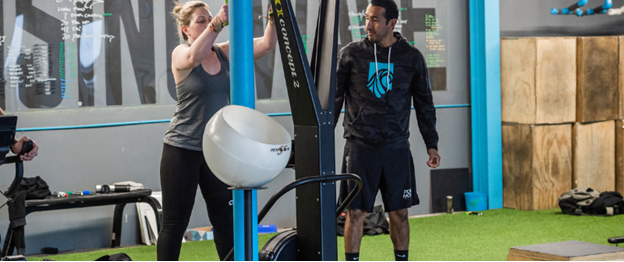
Walk into any CrossFit gym, and you’ll notice one thing immediately. Athletes choose their own weights. They follow their own pace. And they get to determine how hard to push on any given day. Freedom is part of the culture and one of the reasons people love the sport.
Members in many affiliates are expected to know their own bodies and their limits. Coaches run the room, watch the movement, and give cues. But they’re not coaching each rep like a personal trainer would in a one-on-one setting. That structure determines how athlete safety is addressed. It also influences how the debate about athlete liability unfolds when things go wrong.
The energy is different from that of a regular gym, and many owners feel it every day. The question is, what does that culture mean when you sit down and look at your coverage? Independence sounds simple on the floor, but it can be complicated on paper.
Why Athlete Choice Doesn’t Automatically Remove Owner Exposure
Many affiliate owners share common assumptions. Members choose the weight, know when to push too hard, and are aware of the risk. That sounds reasonable on the surface. But when discussing CrossFit athletes’ responsibility versus gym owners’ liability, the issue has more layers than many gym owners would expect.
The decisions an athlete makes are always contextual. They occur in the programming you write. They happen at the pace of the classes your coaches provide, in the culture your gym has developed, and in the coaching environment you create each day. Freedom exists, but it is the kind that exists within the systems the gym created.
That’s the part that frequently goes unnoticed. As you set the tone for the room, you are also shaping the choices people make in it.
The Difference Between Freedom and Lack of Structure
Structured Autonomy
Healthy freedom comes with guardrails in the gym. The scaling options are clearly posted. Coaches walk the floor, giving advice. And the movement standards are repeated multiple times. That structure gives athletes choices, without losing control of the room.
What Happens When Intensity Escalates
Intensity feeds on itself. Athletes get hyped by the group energy. The pace climbs with each round. And eventually, a controlled class can become a race in the last minute. Behavior changes faster than coaching can keep up in those moments.
Experience Can Increase Risk, Not Reduce It
The advanced athletes push the hardest because they trust their bodies. And that trust becomes confidence, and confidence quietly changes their decision-making process once they experience fatigue. Training risk doesn’t always come from the newest member in the room but from the experienced athletes who push beyond their limits, a practice that can lead to injuries over time.
Also Read: How Hard Is Too Hard? Where Coaching Intensity Becomes Liability
Where Coverage Questions Usually Begin
The tricky cases often don’t start with a clear, dramatic accident. They begin in gray areas.
- Workout fatigue
- Increasing intensity in a class
- A member giving coaching cues to another member
- Ignoring advice about scaling
- Open gym running next to a coached class
The problem is often never a single moment. It’s the gradual build-up of small choices in a place that already rewards effort. In fitness training situations, liability is usually established by an analysis of the entire chain of events. That’s why it’s difficult to sift through these cases after the fact. The story is built from many small actions. Each one seemed fine on its own.
The Coaching Gray Area Most Affiliates Recognize Immediately
Athletes Ignoring Guidance
Coaches often suggest scaling a movement or dropping the load. The athlete nods, then hits RX anyway. Once a member ignores an instruction, it can raise liability questions if an injury occurs.
Peer-to-Peer Coaching
Members of CrossFit gyms often coach each other. A pro athlete corrects someone’s squat, or a longtime member offers technique advice on a barbell lift. Now you have informal coaching happening right in the middle of formal coaching.
Semi-Supervised Training
Another common scenario is an open gym running alongside a regular class. A coach is present and watching, but not necessarily running the open gym for the athletes. The line between participation and instruction is quickly blurred, and this uncertainty often lies at the core of many insurance coverage gaps in situations involving athlete-versus-owner responsibility.
What Affiliate Owners Often Underestimate
The biggest strengths of a successful affiliate are strong community environments. Members trust each other, train together consistently, and become more comfortable in the gym over time. This trust creates a positive atmosphere and reduces perceived risk in training.
As athletes become more comfortable, they can push harder, try things they aren’t ready for, or train through fatigue without realizing how their decisions are changing. What seems normal in a familiar environment can gradually shift the intensity across the room without anyone noticing.
This is where it gets more complicated for affiliate owners. The stronger the community gets, the easier it is to assume everybody “sees” the environment the same way. In reality, familiarity does not eliminate exposure. Often, it changes behavior enough to increase it, especially when athletes become more confident, more competitive, or more physically comfortable with each other.
Why Waivers Don’t Simplify Everything
This is where the coverage talk gets oversimplified. Waivers are essential. They are very important in running a responsible affiliate. But they do not eliminate the operational duty, questions of supervision, programming choices, or the environmental conditions that surround an incident.
Liability discussions are not typically about whether the paperwork was signed. They come down to how the facility was actually functioning when the situation happened. It is a difference worth sitting with because it reframes CrossFit liability in terms of operations rather than just paperwork.
Also Read: The Cost of Assuming You’re Covered as a CrossFit Affiliate
How Modern CrossFit Changed the Liability Landscape
CrossFit today is different from what it was years ago. Many affiliates now offer open gym hours, specialty classes, competitor programming, independent coaches renting space, and hybrid instruction models that combine coached time and self-directed work.
That shift altered how exposure manifests in the real world. An insurance policy for fitness based on the old model of traditional group classes may not fully reflect how a modern-day affiliate actually functions. It’s worth checking if the coverage you bought three to four years ago still suits the gym you run today.
The Risk Isn’t Always the Workout Itself
This is the part that many owners only see in retrospect. Two gyms doing the same workout on the same day can have very different exposure profiles. The difference is in coaching style, pace, culture, supervision, and how athletes behave in the room.
The danger is generally less with programming on the whiteboard than with the room’s influence on decisions during the workout. This is why a gym owner’s responsibility for athlete safety and injury risk cannot be based only on what was programmed. You have to look at just how the room was moving through it.
Why Coverage Should Reflect How Your Affiliate Actually Operates
Now classes are just part of the picture. The majority of affiliates run overlapping environments during the week:
- Coached group classes
- Open gym sessions
- Self-directed and competitor work
- Community-led and informal coaching
Training coverage should be what it’s like on a day-to-day basis, not what the business looks like on paper. When your policy reflects the actual shape of your operation, it’s much easier to see which athlete choice and which owner responsibility apply in gym liability coverage.
Also Read: Why CrossFit Coaches Need More Protection Than Traditional Gym Trainers
Make Sure Your Coverage Reflects the Reality of Your Affiliate
Athlete accountability is real, and the culture of autonomy is part of what makes CrossFit work. But accountability on the floor does not eliminate the owner’s operational exposure. Today’s affiliates often work in gray areas that older policies didn’t cover.
CrossFit RRG was built with CrossFit affiliates and CrossFit gyms in mind. The team recognizes athlete autonomy, open gym settings, coaching overlaps, and the performance-driven culture that is the essence of the sport. If it’s been a while since you last reviewed your coverage, it could be worthwhile to check whether your current coverage still matches how your gym runs now, not how it did when you first opened your doors.
Schedule coverage with CrossFit RRG today to help identify gaps and fully align your protection with your actual affiliate operations.