
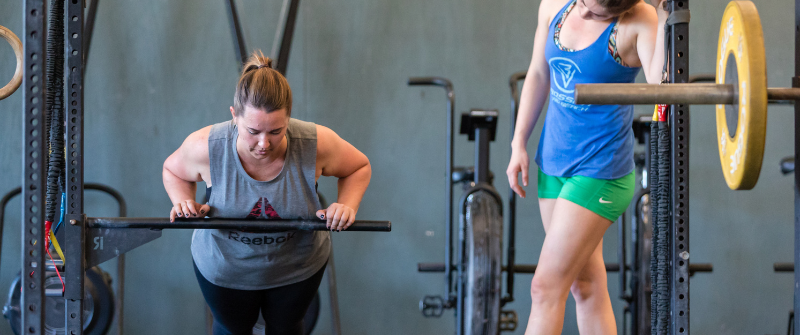
Coaching in a CrossFit gym is different from traditional personal training. Both help people get stronger and improve their health, but the training settings differ.
In many gyms, trainers work one-on-one with clients. Workouts often use machines, lighter weights, or steady cardio. Because the trainer focuses on one person, they can watch every movement and correct mistakes right away.
CrossFit classes are group-based. Several athletes train together during the same session. Workouts combine strength training, conditioning, and skill work. Athletes may lift weights, perform pull-ups, or move through timed workout rounds.
The coach leads the class and watches how athletes move. They show the exercises, organize equipment, and keep the class on track. When many people move quickly through hard workouts, safety depends on the coach’s guidance.
Because of this setup, CrossFit coaches may face more risk than traditional trainers. Injuries can happen during intense workouts, especially when athletes perform complex movements.
Insurance helps coaches manage these risks. Many carry CrossFit insurance, coach liability insurance, or fitness professional insurance. These policies help protect coaches and the gyms where they work.
When you understand how CrossFit training works, it becomes clear why coaches need liability protection.
CrossFit Coaching Involves Higher Training Intensity
CrossFit workouts use functional movements performed at high intensity. These sessions are meant to build strength, endurance, and coordination simultaneously.
Many workouts include Olympic lifts, such as the clean or the snatch. These moves build power and strength but require good technique. Athletes must keep their backs stable and move the bar safely. Even small mistakes in form can put stress on joints and muscles.
CrossFit also uses bodyweight exercises like pull-ups, ring work, and handstands. These moves require strong shoulders and good body control. During tough workouts, athletes may get tired and move faster than usual. Fatigue can affect their technique and increase the risk of injury.
Coaches need to pay close attention during these moments. They might lower the weight, slow things down, or adjust the movement to help athletes continue safely.
Because CrossFit workouts are demanding, coaching decisions matter a lot. This increases the coach’s liability.
Many coaches choose professional liability insurance that fits the intensity of CrossFit training.
Also Read: What Type of Professional Liability Insurance Do CrossFit Instructors Need?
Coaches Oversee Multiple Athletes at Once
CrossFit classes are usually group sessions led by a single coach, with several athletes attending.
Athletes in the same class often have different skill levels. Some may be new to CrossFit, while others have years of experience. They might use different weights or do easier or harder versions of the same exercise. For example, one person could lift a heavy barbell while another uses a lighter one.
The coach needs to watch everyone in the room, moving around to give feedback and correct form when needed.
Group training brings energy and a sense of community, but it also adds extra safety challenges.
- Several athletes train at the same time
- Skill levels can vary in one class
- Different exercises may happen in the same space
Because coaches can’t watch every athlete at all times, clear demonstrations are very important. These factors change the meaning of gym trainer liability. One coach may be responsible for many athletes at once.
This is why many coaches choose insurance designed for group fitness programs.
Functional Movements Require Skilled Instruction
CrossFit training is built around functional movements. These are actions people perform in daily life, such as lifting, pushing, pulling, and jumping.
When taught correctly, functional training builds strength and balance.
Many workouts include movements such as:
- Olympic weightlifting
- Box jumps
- Pull-ups and gymnastics skills
- Kettlebell and barbell training
Every movement requires good form. Olympic lifts depend on strong hips and a stable back, while pull-ups need shoulder stability and control.
If athletes use poor technique, their risk of injury increases.
When athletes get tired during tough workouts, they might lose good posture. For example, someone could round their back during a lift or land awkwardly on a box jump.
Coaches need to spot these problems quickly and either correct the athlete’s form or change the workout. Because these moves involve speed, weight, and coordination, skilled coaching is essential.
CrossFit Gyms Operate in Fast-Paced Environments
CrossFit gyms are usually lively and fast-paced. Classes follow a set plan that includes warm-ups, strength exercises, skill practice, and a workout.
This makes training sessions exciting, but it also means coaches must stay organized.
If the training floor is poorly managed, several factors can increase the risk of accidents.
- Athletes move quickly between exercises
- Equipment may be shared during workouts
- Busy training floors may increase accident risk
For example, someone finishing box jumps might step back into the area where another athlete is lifting a barbell.
Coaches need to manage the space and help athletes stay aware of their surroundings.
Liability Risks CrossFit Coaches May Face
Even with careful coaching, accidents can still happen in the gym.
Training involves physical effort and the use of equipment, which can lead to fatigue and an increased risk of injury.
- Athlete injuries during workouts
- Equipment accidents
- Coaching mistakes or unclear instruction
- Missed signs of athlete fatigue or limits
For example, an athlete might strain a muscle during a lift. Someone else could lose balance during a jump or drop equipment.
When injuries happen, people may question the level of supervision or instruction. These situations highlight the legal risks CrossFit trainers face.
This is why many coaches use coach liability insurance or special CrossFit insurance to protect themselves and their gyms.
Also Read: Liability Risks of Operating a CrossFit Gym
Why Traditional Trainer Insurance May Not Be Enough
Many insurance plans are built for traditional personal trainers. These plans assume the trainer works with one client at a time. Sessions are usually slower and easier to control.
CrossFit coaching works differently. Classes often include several athletes training together. Workouts can be intense, and coaches must monitor many people at once while managing a busy gym.
Because of this, the difference between CrossFit coach and gym trainer insurance can be large. A policy designed for traditional training may not fully cover the risks associated with group workouts or complex lifts.
For this reason, many coaches choose fitness professional insurance designed for functional fitness settings and the real demands of CrossFit coaching.
What Insurance Coverage CrossFit Coaches Should Consider
Insurance for CrossFit coaches usually includes several types of coverage options.
- General liability insurance
- Professional liability coverage
- Participant accident coverage
- Equipment coverage
General liability coverage protects against accidents that happen in the gym. Professional liability coverage helps coaches if claims involve instruction or program design.
Participant accident coverage can help with medical expenses if an athlete is injured during training. Equipment coverage protects gym equipment, including barbells, rigs, and conditioning equipment.
Together, these policies improve liability protection for CrossFit coaches and affiliates.
Risk Management Strategies for CrossFit Coaches
Insurance provides protection, but good daily coaching habits also help reduce risk.
Coaches should teach proper movement techniques before making workouts harder. Good habits help athletes train safely. Workouts should be adjusted to each athlete’s ability. Beginners might use lighter weights or simpler moves.
Coaches should regularly check equipment and keep workout spaces organized. If an incident happens, coaches should clearly document what occurred.
These habits, along with coach liability and fitness professional insurance, help create a safer training environment.
Also Read: CrossFit Gym Safety: Top Tips for Avoiding Injury and Accidents
Why Specialized CrossFit Insurance Matters
Insurance programs designed for CrossFit affiliates understand how these gyms operate. They know classes include group workouts, shared equipment, and high-intensity movements.
Because of this, specialized CrossFit insurance can better cover the liability risks for CrossFit coaches. Providers like CrossFit RRG design coverage with functional fitness in mind, so policies align with the actual structure of CrossFit classes.
Coverage made for this environment often offers stronger protection than general trainer policies.
Conclusion
CrossFit coaching brings extra responsibility. Coaches lead groups through hard workouts with complex moves and shared gear. Because of this, CrossFit coach liability can be higher than in many regular gym settings.
The right coverage helps coaches focus on safe training. CrossFit insurance, coach liability insurance, and fitness professional insurance can help protect coaches, athletes, and gym owners in the event of an accident.
Providers like CrossFit RRG offer insurance designed specifically for how CrossFit gyms operate. They can offer better protection that aligns with the risks coaches and affiliates face daily.
Want to check if your coverage fits your gym and coaching style? Schedule a review with CrossFit RRG to explore insurance options made for CrossFit affiliates.