
One of CrossFit’s Biggest Strengths Is Also What Makes This Conversation Complicated
Affiliates feel different from commercial gyms, and most owners know exactly why. Members remember each other’s names. They stay after class. They cheer through the last round when somebody is clearly struggling to finish. Shared accountability shows up everywhere, and it’s a big reason members keep paying dues for years.
But there is a quiet side effect to this strong culture. The foundation of gym floor safety is clear roles, but those roles begin to blur once coaching energy expands beyond the person leading the class. Advice from seasoned athletes, techniques shared among friends, and scaling tips exchanged during workouts. These are useful at the moment, but worth a deeper look from an operations standpoint.
Unofficial Coaching Rarely Starts With Bad Intentions
Calling it unofficial coaching makes it sound like something is being sneaked past the front desk. It isn’t. A four-year member spots a new guy struggling with a clean and gives him a quick fix. Competitive athletes share pacing advice before a benchmark. Training partners would adjust each other’s rig setup without a second thought.
Good intentions drive almost all of it. Affiliate owners have probably done the same thing themselves long before they ran a gym. The concern isn’t the motive. It’s that fitness coaching delivered outside the coach-to-class structure sits in a space that’s tough to define clearly.
Also Read: Maximize Your WOD Space: Smart Layout Hacks for CrossFit Gyms
Where the Line Between Encouragement and Instruction Starts Blurring
Casual Technique Corrections
“Try it this way.” “Elbows higher.” “You can go heavier.” Phrases like these get tossed around constantly, and usually nothing comes of them. Technically, though, each one is a coaching cue from someone who isn’t coaching that hour.
Good advice goes unnoticed. Bad advice, or advice that contradicts what the actual coach just taught, becomes harder to sort out later, especially if the newer athlete assumes the gym signed off on it.
Open Gym Environments
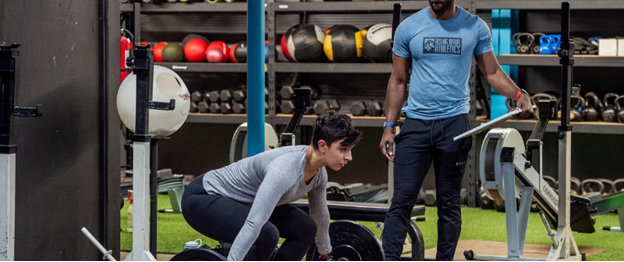
Open gym is where most of this plays out. A coach is around, keeping an eye on things, but everyone is running their own session, working on their own goals, or refining their technique or skill on a certain movement. . Conversations happen all over the room, and no coach can realistically track everyone.
Athlete-Led Warmups or Movement Prep
Senior members tend to step up during warmups, partner work, and skill pieces. That happens on its own, and it’s often genuinely helpful. But it also adds a layer to what’s happening on the floor that the class schedule doesn’t show.
Why Community-Led Culture Changes the Liability Conversation
Traditional commercial gyms keep things simple. Trainers look after their booked sessions, members handle themselves, and the lines are easy to draw on paper. CrossFit eliminates that.
Bars are shared. Workouts are scored as a group. People hold each other accountable through long, tiring pieces. That collaborative feel is the whole point. And gym liability here isn’t what it is at a typical gym, because responsibility lines blur as the community tightens up.
What Affiliate Owners Often Overlook
Members May View Advice as Official Guidance
When someone who’s been around a long time corrects someone, the new athlete usually assumes the gym is on their side. “Jake, who’s been here five years,” and “the gym’s voice” are rarely differentiated at the moment. That member doesn’t have to be a coach for his advice to seem like it’s coming from one.
Experience Does Not Equal Formal Responsibility
Many advanced athletes move efficiently and know programming inside out. Some are actually making newer members better than the class structure could, alone. But none of it adds up to a defined role. Being skilled and being a mentor both carry weight in the community, but neither one gives someone the standing of a credentialed coach running a class.
Informal Leadership Develops Naturally in Strong Communities
Competitive teams, older member bases, and busy open gym hours all produce informal leaders without anyone planning for it. That can be a healthy sign. But it is also worth recognizing for what it is, rather than letting it run quietly in the background.
Why This Conversation Is Becoming More Relevant in Modern Affiliates
The model of affiliate gyms has shifted over the past several years. Open gym hours are increased. Hybrid formats are now normal. Specialty tracks keep splitting off, and competitor groups often train alongside general classes. Many affiliates rent floor time to semi-independent coaches with their own client lists.
Older insurance frameworks weren’t designed around any of that. The risk environment for personal trainers has expanded because there are more variables in CrossFit coaching, and coverage thinking has to catch up to match them.
Also Read: The Cost of Assuming You’re Covered as a CrossFit Affiliate
The Risk Is Usually Not One Big Incident
Owners tend to think of the risk of gym coaching as one big event. Most of the time, it doesn’t work that way. Exposure tends to build through habits no one questioned, expectations nobody spelled out, and authority that became normal without ever being assigned.
The problem isn’t misconduct. It’s ambiguity. Years of gray area can turn a small situation into one nobody can explain when it matters most. Catching the drift early is what counts.
Why Operational Clarity Matters More Than Restricting Community
Cutting back on member interaction isn’t the goal. Discouraging peer support isn’t either. Turning a warm room into a cold one would negate the whole point of joining the gym.
A different, healthier conversation is clarity about roles, supervision, and who actually has the coaching authority. Tight operations and a solid community aren’t at odds. Owners who treat these as priorities usually end up with stronger versions of both.
What Stronger Operational Awareness Can Look Like
In practice, a handful of small things tend to make the biggest difference:
- Coaching expectations written down and shared with staff and members
- Open gym supervision policies that reflect what’s actually happening
- A clear answer to who gives official instructions during which sessions
- Consistent communication among coaches so members hear one voice
- Honest acknowledgment of athlete-led correction and where it belongs
Nothing needs to feel rigid here. Most of it is identifying what dynamics already exist and how the gym wants to handle them going forward.
Why Coverage Should Reflect How Affiliates Actually Operate
Trained classes, open gym, peer interaction, informal mentorship, and layered training are now often found under one roof. This combination is broader than what the general gym policy was created to cover, and many affiliate owners can feel the gap when they start looking for it.
Good match-ups on paper but poor in practice lead to quiet exposure. The coverage built around how the place actually functions, day in and day out, is more resilient when something out of the ordinary happens. The better the fit, the fewer surprises down the road.
CrossFit Culture Is Built on Community, Not Operational Simplicity
Community is one of the strongest assets any affiliate has. High retention of athletes is supported. The gym is defined by shared accountability. Long-term members have ownership of the space, because in a real sense, they do.
Operational awareness doesn’t threaten any of that. It preserves it. Knowing how responsibility is actually perceived in the building allows the community side to thrive without the quiet buildup of exposure that works against the business side.
Also Read: Strong Community, Higher Risk: The Tradeoff Affiliate Owners Don’t Talk About
Make Sure Your Coverage Reflects the Reality of Your Affiliate
CrossFit affiliates aren’t your average gyms, and their interiors don’t always fit neatly into old insurance models. Coverage must reflect how coaching, supervision, and member interaction really happen on the floor, not a cleaned-up version to satisfy an underwriter’s checklist.
CrossFit RRG operates in this world every day, with affiliate culture, open-gym environments, athlete autonomy, and the operational realities of CrossFit. If your policy has not been tested against the reality of how your gym actually operates, then it is a conversation worth having. Schedule a quick coverage review with CrossFit RRG to identify blind spots before they become big problems and ensure your coverage aligns with the affiliate you’ve actually built.