
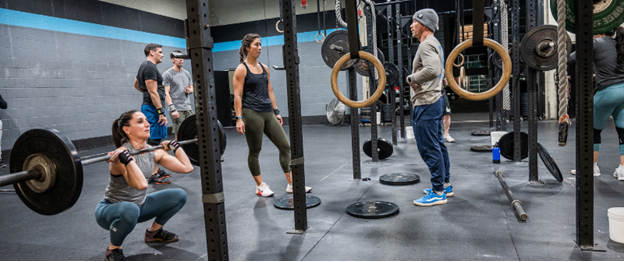
If you’re an affiliate owner, you’ve probably witnessed this. One coach takes the floor, and the whole room locks in. People leave drenched in sweat, clear on exactly what they did, and glad they came. The day after that, someone else runs the exact same workout, only the class feels off, even though nothing on the whiteboard has changed.
Members catch these gaps far more than many owners expect. Some variety between coaches keeps a gym human, and nobody wants cookie-cutter classes. The issue is that inconsistent coaching leaves members unsure of what kind of experience they will get from class to class. Cloning your staff is not the goal. What’s important is that a member gets a good class regardless of who’s teaching.
What Inconsistent Coaching Actually Looks Like
Uneven CrossFit coaching rarely announces itself with one obvious disaster. It hides in the small stuff. One coach might hold to movement standards, and another allows reps that shouldn’t count to go through. Scaling recommendations may vary significantly depending on which coach is leading the class. One day the warm-up might be long and detailed, the next day it might be hurried. And the attention each person gets can vary greatly from class to class.
Even if they can’t put words to it, people pick up on it fast. A well-structured class feels one way, and a sloppy class feels another. Without quite realizing it, a member starts judging the gym by which coach is scheduled. They might not know why Tuesday felt sharper than Friday, but the difference sticks with them.
Also Read: How to Build a Winning Team: CrossFit Coach Recruitment and Retention
Why Coaching Consistency Matters More Than Owners Think
Nobody goes to a gym to buy a workout. They sign up for the vibe they get when they’re there. The coach is a huge factor in it. Good programming helps, but a clever whiteboard is not enough to build loyalty. Retention is closely tied to coaching consistency because relationships with coaches are one of the biggest reasons members keep coming back.
Uneven coaching pokes holes in something that should feel dependable. Picture a member who hears one cue on Monday and the opposite on Thursday. Now they wonder which coach to trust, and that doubt carries over into how they read their own progress. Dependable CrossFit gym coaching takes the guesswork out of it all so people can train rather than question every rep.
The Hidden Costs of Inconsistent Coaching
The cost of uneven coaching isn’t typically one big dramatic moment. It grows slowly, and normally the owners see it after a couple of months. There are certain costs that tend to repeat:
- Shrinking retention. Conflicting cues from different CrossFit trainers wear members down, sap their confidence, and slowly loosen the habit of showing up.
- Rougher onboarding. Beginners need steady guidance, and their first few weeks decide whether they stay. Uneven coaching during that stretch leaves a weak first impression.
- Shakier referrals. People recommend a gym based on how it treats them. Consistency builds a reputation worth sharing, while a coin-flip experience keeps members quiet.
One detail trips up many owners. It isn’t common for members to leave after one bad session. They leave when the little disappointments add up to the point that the membership no longer feels like money well spent. Tuesday may be a rough one, but it’s a pattern that eventually makes somebody quit.
Common Causes of Coaching Inconsistency
Coaching inconsistency in a gym usually comes from a lack of clear standards on how classes should be coached. Without a common framework, each coach has their own way of teaching, communicating, and managing the class. This can result in different experiences for members and less predictable coaching quality.
Another common factor is staff development. Coaches need training, mentorship, and feedback to develop their skills over time. Without these systems in place, growth could be stunted, and coaching techniques could be all over the place across the team.
Fast growth can be a problem, too. As memberships increase, gyms often quickly add new coaches to meet demand. Expectations might differ due to insufficient onboarding and training. Meanwhile, rapid growth can create gaps in communication, oversight, and coach development, making consistency harder to maintain.
Also Read: How to Build a Performance Review System for CrossFit Coaches
Build Standards Without Creating Scripted Coaches
Standards are often seen as turning your best people into robots reading off a card, so many owners don’t mess with them. But that concern is usually misplaced. Coaches need to be themselves and coach to their strengths, whether that’s breaking down a snatch or calming a nervous newcomer. The best thing you have as a coach is the relationship you have, and good standards are there to protect that relationship, not erode it.
The idea is to nail down the non-negotiables and be loose on the rest. Decide what you want to keep consistent from session to session, such as overall class flow, safety basics, core teaching of movements, and a floor for how much each member is coached. Then let coaches teach in their own voices outside those guardrails. This is a way to have high standards for fitness coaching that make a reliable class, without flattening the person running it.
Create a Coaching Development System
Standards only work when there is something to back them. That something is a development system. Make it a culture your gym maintains, not a speech you deliver once at hire. A few simple routines do most of the work:
- Regular evaluations. Watch classes, sit down for honest feedback, and set one or two development goals with each coach.
- Peer mentoring and shadowing. Pair newer staff with experienced coaches to reinforce good habits and keep the team aligned.
- Ongoing education. Make room for workshops, movement work, communication practice, and a little leadership training as coaches grow.
None of this has to be fancy or pricey to implement. A monthly class observation, a quick, honest chat, and one shared learning session can nudge a whole staff toward the same page. Repetition is what makes it work.
What High-Performing Affiliates Do Differently
The best gyms don’t guess at the member experience; they study it. Successful owners regularly observe classes and ask whether the 6 a.m. crowd is receiving the same quality experience as the 6 p.m. crowd. They ask for feedback often, and then actually do something about it. They also pour energy into coaches, as they do into programming, because holding on to good staff and building culture protect the experience year after year.
The real difference is how they run coaching: as a system, not a popularity contest. Standards are repeated, improvement keeps rolling, and accountability is in the daily routine. Take two gyms with equally sharp programming. The gym where every coach delivers a consistent experience is far more likely to retain members than the gym where class quality feels unpredictable. And that gap in the quality of gym coaching just grows over time.
Consistency Creates Confidence
For the member, consistency equals trust. They want rock-solid coaching every time they walk in, and scalable advice they can rely on. They want their progress to be tracked consistently, no matter who has the whiteboard. Predictable is not boring to them; it’s safe. And that’s a subtle reason people keep renewing without too much thinking.
Coaches get some benefit, too. Clear expectations mean staff no longer have to guess what the gym wants. Spelled-out standards offer a clear path for growth, so a coach can see where they are headed rather than working in the dark. Better systems make the job easier and the team stronger.
Also Read: Why CrossFit Coaches Need More Protection Than Traditional Gym Trainers
Conclusion
Lack of coaching consistency can affect member retention before gym owners even realize it’s an issue. Members want a consistent experience when they come to class, whether it’s the coach or the time of day. Consistency builds trust and confidence and supports long-term engagement within the affiliate.
Developing consistency doesn’t mean that every coach has to teach the same way. Strong affiliates enable coaches to be their individual selves while still adhering to common standards that promote quality and safety. Clear expectations, ongoing staff development, regular feedback, and accountability systems all contribute to a stronger coaching team and a better member experience.
Strong coaching is one of the most valuable assets an affiliate can have. CrossFit RRG helps gym owners solve operational, staffing, and risk management issues, enabling long-term growth.
Contact us today to learn about resources that can help build stronger systems, safer environments, and more sustainable businesses.