
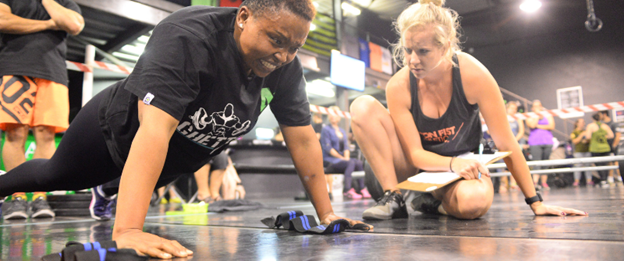
Why This Line Matters More Than Most Coaches Realize
In many gyms, liability doesn’t start with big accidents. It often begins in everyday training. For example, a coach sees someone struggling with a lift and steps in to help. This simple action can actually change the coach’s role in the movement.
This distinction is important when discussing fitness liability, personal trainer liability, and CrossFit safety. Coaching is a normal part of class, but spotting or physically assisting an athlete is different, as the coach becomes involved in the lift.
Knowing the difference between coaching and spotting helps explain where liability starts. When coaches understand where instruction stops and hands-on help begins, they can better protect both the athlete and the gym.
Many coaches think liability only starts when something serious happens. In reality, liability often begins during regular interactions on the gym floor.
What Counts as Coaching in a CrossFit Setting
Most actions during class fall under normal CrossFit coaching. These responsibilities guide athletes without requiring the coach to be physically present in the movement.
Typical coaching responsibilities include:
- Giving verbal instruction during lifts or workouts
- Demonstrating movements before training begins
- Correcting technique through cueing
- Managing class flow and enforcing gym safety rules
These actions allow coaches to guide athletes while remaining in a supervisory role. The athlete remains in control of the lift and is responsible for the movement.
Coaches also monitor the room, watch multiple athletes, and remind members about proper mechanics. This supports CrossFit safety without physical intervention.
From a risk perspective, instruction keeps the coach focused on guidance rather than participating in the movement.
Also Read: Investing in Your Coaches: Why Development and Coverage Go Hand in Hand
What Counts as Spotting (Even If You Don’t Call It That)
Spotting frequently occurs even if coaches do not explicitly mention it. In many gyms, spotting is when a coach physically helps an athlete during a lift.
Common examples include:
- Providing physical assistance during heavy lifts
- Guiding or stabilizing a barbell
- Supporting an athlete during fatigue or failure
- Any hands-on interaction during movement
These situations usually come from good intentions. Coaches want to keep athletes safe and help them finish a lift. But as soon as a coach steps in physically, they become part of the movement. This is where weightlifting spotting and trainer liability come into play.
Where the Line Starts to Blur
In real training environments, the boundary between coaching and spotting is rarely obvious. Classes move quickly, athletes push their limits, and coaches must react in the moment.
Situations that blur the line include:
- Quick corrections that involve touching an athlete
- Helping a member during a repetition
- Trying to prevent a missed lift
- Assisting inexperienced members during movement
These choices often happen in a split second. A coach sees a bar moving forward or an athlete losing control and quickly steps in to help.
From a coaching perspective, the reaction is understandable. Coaches aim to protect athletes and ensure safe lifts. However, when considering CrossFit coaching versus spotting liability, these quick responses can alter the coach’s level of involvement.
Even a quick touch can turn the situation from just watching to actually taking part.
Why Hands-On Interaction Changes Liability
Physical contact changes things because it puts the coach right in the middle of the movement. When a coach touches the barbell or supports the athlete, several things happen:
- The coach becomes involved in the lift outcome
- Responsibility for the movement increases
- The coach may become part of the incident if something goes wrong
This is why discussions about the legal responsibility of CrossFit coaches during workouts often focus on physical assistance. If coaching remains verbal, the athlete retains control of the lift. But when a coach steps in physically, responsibility can shift or increase.
This doesn’t mean coaches should never help. It means they need to know how CrossFit trainer liability and safety rules apply in cases of physical contact.
Common Scenarios Where Risk Increases
Heavy Lifts (Squat, Bench, Olympic Lifts)
Heavy barbell movements are where spotting in weightlifting most often occurs. During max attempts or difficult reps, coaches may try to stabilize a bar or assist the athlete. These moments can raise questions about liability for injuries, especially if physical assistance affects the lift.
High-Fatigue Workouts
Many CrossFit workouts push athletes into deep fatigue. As fatigue increases, movement control can decrease. Coaches might feel pressure to help athletes finish lifts safely. But jumping in quickly during these times can increase the risk of fitness liability.
New or Inexperienced Athletes
Beginners often need more guidance and reassurance during workouts. They may struggle with barbell balance, coordination, or safe failure. Because of this, coaches may feel the need to physically guide movements.
Group Class Environments
Coaches must monitor several athletes at once while maintaining gym safety rules. Since coaches are watching the whole room, they sometimes step in quickly and reactively. This can make it harder to control when and how spotting happens.
Why Good Intentions Still Create Risk
Most coaches step in because they want to help. They want to prevent injuries or help athletes finish a lift successfully.
Good intentions don’t remove risk. In many personal trainer liability cases, the main question isn’t why the coach helped, but whether they became part of the movement.
A quick decision to steady a bar or guide a lift can put the coach right in the middle of the action.
Knowing the risks of spotting athletes during heavy lifts helps coaches plan. Being prepared means they don’t have to make quick, reactive choices as often.
Also Read: Top 10 Reasons Your CrossFit Gym Needs General Liability Insurance
The Role of Clear Coaching Boundaries
Clear coaching boundaries help trainers know when instruction is appropriate and when intervention may increase risk.
Many gyms focus on teaching athletes how to fail safely rather than preventing every missed lift. This approach builds athlete confidence and reduces the need for last-second assistance.
Coaches can also explain expectations during onboarding or class briefings. When athletes understand how the gym approaches CrossFit safety, they know what type of support to expect.
Clear boundaries don’t weaken coaching. They actually help keep training safe and consistent.
How Gym Owners Should Think About This
For gym owners, liability isn’t just about individual coaches. It’s also an operational issue for the whole gym.
Policies should clearly define how coaches handle spotting and hands-on interaction. Consistency among staff helps members understand what assistance may occur during workouts.
Operational policies often address:
- When spotting is allowed
- How spotting should be performed
- How coaches communicate with athletes
Training staff on these rules helps clear up confusion and makes safety standards stronger in the gym.
Where Insurance Comes Into Play (CrossFit RRG Angle)
Insurance coverage is a key part of understanding liability risks.
Not all insurance policies treat coaching and spotting the same. Some expect coaches to instruct and supervise only. If coaches get hands-on, it can change how risks are viewed.
That’s why many gym owners seek insurance that aligns with how their gym operates. Understanding CrossFit trainer liability and safety rules helps identify any gaps in coverage.
Specialized insurance providers such as CrossFit RRG focus on coverage tailored for functional fitness gyms. The right coverage should reflect how coaches engage with athletes during actual training sessions.
Reducing Risk Without Compromising Coaching Quality
Reducing risk doesn’t mean coaches are less effective. It means focusing on coaching methods that guide athletes without stepping in when it’s not needed.
Many gyms focus on three coaching priorities:
- Clear instruction before lifts
- Strong observation during movement
- Awareness of fatigue and athlete limits
With good systems in place, coaches can focus on being prepared instead of jumping in at the last second.
What Coaches Should Be Thinking During Class
Experienced coaches often run quick mental checks during training sessions. Helpful questions include:
- Am I instructing or physically intervening?
- Is this assistance necessary right now?
- Does this action increase risk?
These questions help coaches remember the difference between giving guidance and stepping in. Over time, this awareness becomes a habit and helps make CrossFit safer for everyone.
Also Read: Everything Your CrossFit Box Needs, From Liability Coverage to Legal Resources
Final Thoughts: Most Liability Starts in Routine Moments
Liability in gyms rarely starts with big accidents. It usually comes from everyday choices made during regular training.
When a coach steps in to help during a lift, it might seem routine, but even small actions can change their role in the movement.
Understanding the liability differences between CrossFit coaching and spotting helps gym owners and coaches identify where responsibility transitions.
Clear boundaries, consistent rules, and strong awareness help keep both athletes and coaches safe while ensuring training remains effective.
Schedule a coverage review with CrossFit RRG to make sure your policy reflects how your coaches actually run classes and interact with athletes.