
The Rise of the Camera-Friendly Box
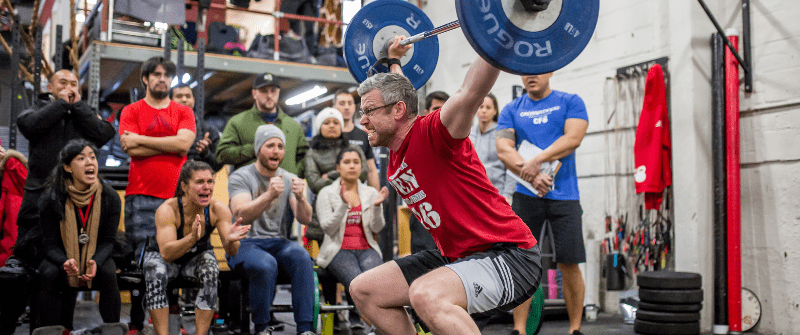
Walk into any CrossFit gym these days, and you will instantly notice phones, tripods, and GoPros capturing each and every lift, WOD, and milestone. Filming workouts has become part of the CrossFit experience. It’s especially helpful in tracking the progress of members and pushing for consistency, while fueling the online CrossFit community across Instagram, TikTok, and YouTube.
As camera use becomes more common, CrossFit gym privacy and filming policies are no longer just an option in 2025; they’re a necessity. Owners must know how to balance the benefits of visibility and the demands of privacy law, member trust, and CrossFit liability protection.
The Benefits of Filming Workouts
There is an upside to allowing cameras in the CrossFit environment. Cameras allow the athlete to review and track their form and progress over time when recording lifts.
It is a win for the gym, too, as genuine members’ videos often turn into effective organic marketing. This could help highlight your community’s culture, coaching expertise, and energy far better than any paid campaign. With an established, respectful filming policy in place, members feel seen and celebrated, and potential members get a proper look at your space.
If done right, filming workouts can benefit both athletes and owners by fostering community, transparency, and growth.
The Hidden Risks of Unrestricted Filming
However, these benefits also create risks that need to be considered. A member may be filming his or her own set and still capture another person in the background without that person’s consent; this constitutes a privacy violation. It becomes more complicated when children or vulnerable individuals appear in footage later posted online.
Recordings can also expose proprietary methods or exercise sequences that may be the affiliate’s intellectual property. Worse yet, there could be liability risks when members record workouts, and an injury is caught on camera and shared publicly, especially if it occurs due to poor technique or improper equipment use.
Filmed workouts may capture, for example, verbal discussions of injuries, health information, or personal details of members that could raise privacy concerns akin to those under HIPAA. This can compromise both your members’ privacy and your gym’s reputation.
Understanding Privacy Laws and Consent
Many affiliate owners don’t understand how privacy laws work in a gym. CrossFit boxes are actually considered limited-access private spaces, even though they may appear to be public spaces.
Most of the legal rules for filming inside CrossFit gyms revolve around consent. It is important to determine when filming can take place, where it can occur, and how permission is given. This becomes really critical whenever there are minors around, because filming minors without their parents’ consent might pose serious consequences.
Every affiliate should have written gym member rules and consent language in its waiver or membership agreement. To set expectations and reinforce compliance, post visible reminders such as “Recording only permitted with staff approval.” When there is a clear statement explaining when and how the gym may use members’ images and how members can opt out, it can protect both parties.
Managing Filming and Social Media Permissions
Handling members filming in the fitness facilities is much easier when you have a structured and transparent policy. In this regard, a written guideline should be available that explains whether members can record during classes, only during open gym, or never without staff consent. Many affiliates are now creating designated filming areas in which cameras can be used without interfering with others.
Even when a member informally allows you to take his or her photo, it is always best to get written consent for promotional use before posting it on your website or sharing it via social media.
Include reminders in onboarding and your member handbook, and revisit these guidelines at least once a year. These small steps protect your members’ trust and strengthen your CrossFit gym’s privacy and filming policies.
Liability and Legal Exposure for Gym Owners
Every gym owner needs to understand the importance of insurance and how video content intersects with liability. When footage is captured inside your gym, especially that which involves an injury, it can later be used in claims and disputes. In a legal context, a clip showing a fall, unsafe equipment setup, or even poor form can be interpreted differently, even if they may seem harmless online.
This is where the importance of CrossFit insurance comes into play. Specialized providers, such as CrossFit RRG, develop media liability coverage to address the reality of CrossFit training, which encompasses potential exposures coming from digital media.
Also Read: What Type of Professional Liability Insurance Do CrossFit Instructors Need?
Handling Content Created by Staff or Coaches
Nowadays, coaches and staff create a lot of digital content. To avoid any conflict, you’ll need to define who owns that content. If videos were made as part of the job, the ownership would normally be with the gym. If content is filmed on their own time, then the ownership may rest with the individual.
Your best practices for gym privacy and consent should extend to how staff represent your gym on social media. Create internal guidelines for tone, tagging, and brand alignment, and remind coaches not to post videos of identifiable members if written consent from those members is not already on file.
Best Practices for a Balanced Media Policy
A good gym privacy policy doesn’t hinder filming; it responsibly guides it. Encourage members to record for personal progress and community sharing, with a clear understanding of what’s acceptable and what is not. Make sure consent forms are required for public use, define filming zones, and train staff to monitor compliance.
Review your media policy annually, especially as the legal and platform landscape evolves. Be consistent with documentation and keep your insurance provider updated on every rule change about filming or marketing practices.
Conclusion: Build a Culture of Respect and Transparency
Cameras will always be part of CrossFit culture, as they capture the effort, resilience, and energy that fuel the community. But leadership means setting the tone for how those moments are shared.
With a clear media policy in place, updated member waivers, and the right CrossFit gym insurance and privacy protection, you will be able to protect your brand and community alike.
Review your policies and insurance with CrossFit RRG, and keep your CrossFit gym ahead of liability risks.