
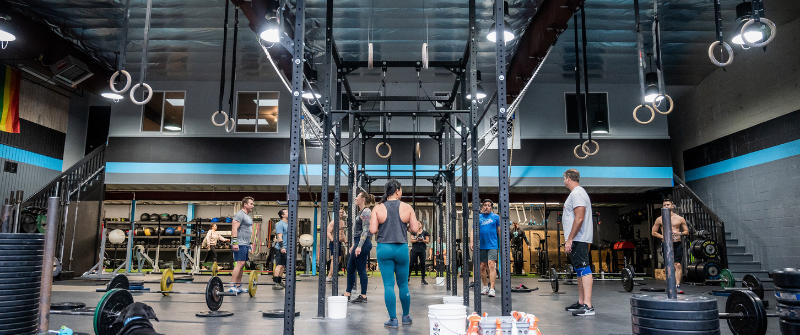
When you enter a CrossFit gym, the energy is immediately noticeable. Music plays, athletes cheer each other on, and coaches move around the floor, helping members through tough workouts. The atmosphere is both lively and supportive.
This strong sense of community is a key reason people stick with CrossFit. Members never feel like they are training alone. Instead, they join a group that shares goals and celebrates progress together.
This culture helps build motivation and loyalty. It encourages athletes to show up, even on tough days, and creates strong connections between members and coaches.
However, as gyms expand and workouts get more intense, new challenges can arise. If systems do not keep up, CrossFit gym culture and safety risks may start to overlap.
Without a solid structure, gyms can face greater liability and increased risk. These issues often show up when risk management does not keep pace with daily operations.
Risk management is not there to slow down the culture; it supports it. Clear safety practices protect everyone in the gym and help the community continue to grow.
When culture and responsibility grow together, gyms create a safer and more stable environment for all.
The Strength of CrossFit Gym Culture
Community is central to CrossFit, where members typically train together. Most classes follow the same workout, with athletes starting, working through, and finishing together. This shared effort fosters accountability.
Coaches guide athletes in every class. They teach proper movement, help with scaling, and encourage members when workouts get tough.
Several parts of CrossFit culture support motivation and retention:
- Members cheer each other on during difficult workouts
- Progress is tracked through personal records and benchmark workouts
- Coaches stay involved throughout the entire class
- Social events and group activities strengthen the community
This environment helps athletes stay consistent. People often feel responsible not only for themselves, but also for their training partners.
Still, strong motivation can sometimes create pressure. Athletes might attempt harder movements before mastering the basics. That is why culture works best when clear safety practices are in place.
Also Read: How to Develop a CrossFit Culture
When Culture Begins to Outpace Structure
As a CrossFit gym grows, daily operations get more complex. A gym that started with a small group of experienced members may suddenly have many new athletes.
Growth often brings several changes at once:
- Larger class sizes
- More advanced workout programming
- Higher equipment usage during peak hours
- Members with different experience levels
All of these changes impact risk management for high-intensity fitness gyms.
As classes get bigger, coaches have to watch more athletes at once. This makes it harder to keep an eye on technique during lifts and fast-paced workouts.
Programming can also become more advanced as members get stronger. Olympic lifts, gymnastic movements, and high-intensity workouts all need careful coaching.
New members may not yet know how to scale workouts safely. They might try difficult movements before building a solid foundation.
That is why managing safety in competitive gyms requires a structure that grows alongside the gym’s culture. When operational systems lag, small safety gaps can emerge.
Common Risk Management Gaps in Growing Gyms
Even well-run gyms can develop small gaps as they grow. These issues often show up slowly and may seem minor at first.
Common areas where gyms sometimes fall behind include:
- Missing or outdated participant waivers
- Inconsistent coaching standards among staff
- Limited safety procedures for equipment and training space
- No formal process for reporting injuries or incidents
These gaps can raise liability risks in today’s fitness facilities.
For example, unclear waivers might not adequately explain the risks of the workout. If someone gets hurt, missing paperwork can make it harder to resolve the issue.
Consistency in coaching is also important. If athletes receive different instructions from different coaches, it can be confusing and lead to poor technique or unsafe choices.
Reporting incidents is another key part of gym risk management. When accidents happen, written reports help owners understand what happened and how to improve safety in the future.
Fixing these gaps early helps lower long-term liability and keeps operations safer.
Coaching Pressure in High-Energy Training Environments
Coaching a CrossFit class requires constant focus, as it may include beginners, experienced athletes, and competitors training together. Coaches must explain the workout, demonstrate movements, and monitor safety throughout.
The group environment is motivating, inspiring athletes to try harder when observing others succeed. However, without adequate guidance, this pressure could increase the risk of injury, as athletes might attempt advanced moves prematurely, before mastering basic skills.
That is why injury prevention in high-intensity workouts depends on structured coaching.
Coaches help athletes adjust workouts by scaling. This can mean lowering the weight, simplifying movements, or shortening the workout.
Clear instructions and close supervision support safety and help athletes improve at a safe pace. When coaches keep control of the training environment, athletes can push themselves without taking unnecessary risks.
Equipment, Layout, and Facility Safety
CrossFit gyms utilize a variety of equipment for functional training. This diversity encourages creativity in workouts, but also emphasizes the need for proper organization.
Common equipment found in most facilities includes:
- Barbells and weight plates
- Kettlebells
- Pull-up rigs and ropes
- Plyometric boxes
Every piece of equipment needs to be stored and maintained properly.
The gym layout is also important for safety. If too many athletes train in a small space, movement paths can overlap. During fast workouts, this raises the risk of accidents.
Equipment condition matters just as much. Damaged bars, worn grips, or unstable boxes can quickly become hazards if not fixed.
Clear workout zones help athletes know where to exercise. Keeping equipment organized also reduces clutter and prevents tripping hazards.
These steps help support strong safety policies and lower overall risks in the gym.
The Legal and Liability Consequences
When safety systems do not keep up, gyms can face legal challenges.
These issues can include:
- Injury claims from athletes
- Questions about coaching supervision
- Equipment-related liability concerns
- Disputes involving gym insurance coverage
These problems fall under legal risks for fitness facility owners.
Many disputes occur when documentation is incomplete. If someone gets injured and there is no written report, it becomes more difficult to determine what happened.
Clear records help protect both the gym and its athletes. Signed waivers, written policies, and incident reports show responsible risk management.
Insurance providers often review these documents when assessing claims. Good documentation can help resolve issues more smoothly.
Why Insurance Alone Is Not Enough
Insurance is an important layer of protection for any fitness business. But gym insurance works best when combined with strong safety systems.
Several practices strengthen fitness safety policies and reduce risk:
- Updated participant waivers that explain training risks
- Verified coaching certifications and ongoing education
- Written safety rules for equipment and facility space
- Incident reporting systems for injuries or accidents
These measures support strong safety protocols for group fitness training.
Insurance providers usually expect gyms to follow basic safety standards. Without clear procedures, coverage disputes can get more complicated.
That’s why risk management for high-intensity gyms should involve both insurance and daily safety measures.
Also Read: CrossFit Insurance Requirements: The Information You Need and the Answers You Want
Building a Culture That Includes Safety
The best CrossFit gyms make safety part of their culture. Safety is not seen as a rule that slows training, but as a shared value.
Athletes learn that proper movement comes before speed or weight. Coaches focus on technique before raising the intensity.
Members also recognize that scaling workouts is a responsible choice.
Several habits support this mindset:
- Encouraging athletes to scale workouts when needed
- Teaching correct movement patterns before adding intensity
- Maintaining clear coaching supervision during classes
- Promoting shared responsibility for safe training
These habits make CrossFit safer and let athletes keep improving. When safety is part of the culture, athletes train with more confidence and awareness.
Protecting the Future of Your Affiliate
Affiliate owners benefit from regularly reviewing their safety systems, especially as membership grows.
Important areas to evaluate include:
- Coaching standards and staff training
- Equipment condition and facility layout
- Participant waivers and documentation
- Adequate gym insurance coverage
Regular reviews help spot new risks before they turn into bigger problems.
Effective risk management promotes sustainable growth. It enables gyms to expand their community while safeguarding athletes, coaches, and owners.
Also Read: Is Your Affiliate Ready for the CrossFit Open? The Safety Gaps Most CrossFit Gyms Overlook
Conclusion
CrossFit culture is one of the biggest strengths of the affiliate model. The sense of community motivates athletes and keeps people engaged in their training.
But enthusiasm must be balanced with strong gym risk management. Clear gym safety systems help reduce fitness liability, address fitness facility risks, and protect athletes, coaches, and gym owners.
When culture and safety grow together, affiliates can continue building strong communities while supporting safe, steady growth.
To strengthen your protection, schedule an insurance review with CrossFit RRG. Their team works with CrossFit affiliates to review coverage, identify gaps, and help manage real-world risks in the fitness industry so your gym can keep growing with confidence.