
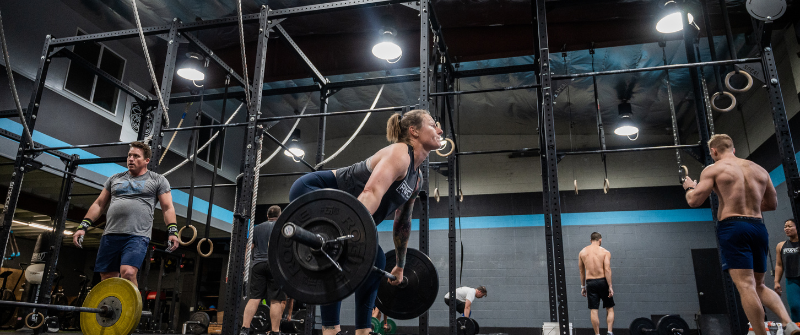
Over the past decade, functional fitness has become increasingly popular in the training community. Many gyms now offer high-intensity workouts, Olympic lifting, and group classes. Programs like CrossFit have shaped this approach, giving gym owners a clear way to train members and build strong communities.
As more people join these gyms, the environment inside has changed. With this growth, gym owners face more risks to manage. These risks go beyond injuries and include how classes are run, how equipment is used, and how the business runs day to day.
Owners now wear many hats. They coach, manage staff, and make sure everyone stays safe. Each role shapes the athlete experience and the gym’s overall safety.
Knowing the risks gyms face today helps owners make their spaces safer for everyone. When systems are clear and consistent, athletes can train confidently, and the business stays protected.
This shift did not happen overnight. It reflects how functional fitness itself has evolved, from simple training sessions to more structured and demanding programs.
The Evolution of Functional Fitness Training
Functional fitness is about the movements people use in everyday life. These workouts mix strength, balance, and endurance. One class might include barbell lifts, bodyweight moves, and short bursts of cardio.
Group training is central to these gyms. Everyone does the same workout together, which creates energy and keeps members motivated.
But this setup also brings new challenges.
High-intensity workouts can push athletes too hard if not managed carefully. Olympic lifts need good form and control. In group classes, it is harder to keep an eye on everyone.
As training methods have improved, having a clear structure has become even more important. Coaches need to balance hard work with safety. Workouts should help athletes build skills over time, not just get harder. Without this balance, small problems can become bigger risks.
This balance matters even more as more people join these programs.
Expanding Athlete Demographics
Today’s functional fitness gyms welcome people of all kinds. It is common to see both beginners and experienced athletes in the same class.
Many facilities now work with:
- Beginners learning basic strength skills
- Youth athletes are building coordination
- Older adults focusing on mobility
- People returning after injury
Having a mix of athletes is a strength of functional fitness, but it also complicates risk management.
Every athlete has a different skill level. Some need to learn the basics, while others can handle more weight. If workouts are not adjusted, the risk of injury goes up.
This is why injury prevention is a key part of daily coaching. Movements should be scaled for each athlete. Weight, speed, and range of motion may need to change depending on the person.
Clear communication is important, too. Athletes should know that scaling workouts is normal and helps them progress safely. When everyone understands this, it supports both good results and gym safety.
Also Read: CrossFit Gym Health and Safety Checklist
The Complexity of Modern Programming
Programming in functional fitness has become more detailed. Workouts often combine different types of training in one session.
- Olympic lifts that need good technique
- Gymnastics movements that rely on body control
- High-intensity intervals that raise heart rate
- Multi-station setups that keep athletes moving
This variety makes training more interesting, but it can also increase the risks at the gym if not carefully planned.
Fatigue is a big factor. When athletes get tired, their form can slip, increasing the risk of injury, especially during complex lifts.
That is why progression is important. Athletes need time to learn skills before adding speed or weight. Warm-ups, clear instructions, and realistic goals all help make training safer.
Coaches also need to make adjustments during class. Not every group reacts the same way to a workout. Small changes on the spot can improve safety and help manage risk.
Facility Layout and Equipment Safety
The layout of a functional fitness gym affects how safely athletes can move. These gyms use equipment like barbells, kettlebells, boxes, and pull-up rigs.
Some common risk areas include:
- Equipment shared between athletes during workouts
- Limited space during busy classes
- Worn or damaged equipment
- Poor storage after use
If equipment is poorly maintained or disorganized, accidents are more likely to occur. A loose plate or worn grip can cause injuries.
Space is also important. Athletes need enough room to lift and move freely without bumping into others. Clear workout zones help keep classes organized.
Regular checks should be included in the daily routine. Addressing small problems early helps maintain gym safety and prevents bigger issues later.
Even with a good setup, safety still relies on proper supervision.
Coaching Responsibilities and Supervision
Coaches play a big role in reducing gym risks. They do more than just lead workouts. They guide safe movement and keep classes organized.
Their responsibilities include:
- Watching how athletes move
- Adjusting workouts to match ability
- Giving clear feedback on form
- Managing the pace of the class
Class size affects safety. Bigger groups make it harder to give each athlete attention, especially during complex or fast-paced workouts.
Intensity needs to be managed, too. As effort goes up, form can suffer. Coaches should step in when needed and adjust the workout.
Good supervision supports both performance and safety. It helps create a space where athletes can train hard and stay safe.
Operational Risks for Gym Owners
Running a functional fitness gym is about more than just coaching. Owners need to manage systems that support daily operations and help reduce legal risks.
These include:
- Facility liability and safety policies
- Equipment maintenance records
- Staff training and certifications
- Waivers and member documentation
These systems are the foundation of good risk management. They help keep operations consistent and organized.
For example, clear onboarding helps new members learn how the gym works. Keeping good records helps track issues and guide decisions.
When these systems are in place, owners can respond more effectively to problems as they arise.
Also Read: Protect Your Box: Smart Insurance Solutions for CrossFit Gyms
Legal and Insurance Considerations
Every functional fitness gym should have insurance that fits its training style. These gyms often face risks different from those of traditional fitness centers.
Important parts of functional training facility insurance coverage include:
- General liability for injuries or accidents
- Professional liability for coaching services
- Participant accident coverage
- Property and equipment protection
Reliable fitness insurance helps keep the business stable for the long term. It gives owners peace of mind as they run their gym.
Insurance programs that offer CrossFit coverage are made for this kind of training. They better match the needs of these gyms.
Building a Proactive Risk Management Strategy
Good risk management is all about prevention. The goal is to stop problems before they start.
This often includes:
- Clear onboarding for new athletes
- Ongoing training for coaches
- Regular equipment checks
- Consistent incident reporting
When these steps are part of the daily routine, they are easier to keep up. They also help lower liability in functional fitness gyms.
Clear safety rules for fitness centers set expectations. Staff and members know how to train safely and what to do if something goes wrong.
Over time, this leads to a safer and more consistent gym environment.
Preparing for the Future of Functional Fitness
The functional fitness industry continues to evolve. New training methods, equipment, and class formats are introduced regularly. At the same time, athlete expectations are shifting.
Members are looking for structured programs, clear guidance, and a strong focus on safety. They want to train hard but also feel supported.
For owners, staying informed is essential. Awareness of new risks in functional fitness gyms enables better planning and adaptation.
Insurance and liability considerations may also change. Keeping coverage updated ensures that protection matches the current operation.
Proactive facilities are better prepared to adjust while maintaining high standards.
Also Read: CrossFit: What Does an Injury Expose That Daily Operations Hide?
Conclusion
Functional fitness facilities offer effective training environments that attract a wide range of athletes. As these spaces continue to grow, the need for structured risk management becomes more important.
Today’s landscape includes diverse members, complex programming, and evolving expectations. Each of these factors influences overall health club safety.
Gym owners who focus on strong coaching, clear systems, and reliable fitness insurance are better positioned for long-term success. Working with a provider like CrossFit RRG gives owners access to coverage designed for the real risks of CrossFit training.
Taking a proactive approach helps lower risk while still allowing progress. When safety is integrated into the system, both athletes and facilities can keep moving forward confidently.
To better protect your gym, coaches, and members, schedule a coverage review with CrossFit RRG and explore insurance options built for functional fitness.