
Why Most CrossFit Gyms Miss This Phase Entirely
Most CrossFit gyms are built around two moments that seem concrete and controllable. The first is getting started. New members come in, learn the moves, sign waivers, and start their classes. The second is peak performance. Athletes set personal bests, post scores, and stay in the public eye. It’s easy to see, coach, and celebrate these moments.
What is often overlooked is what happens when intensity declines. Things change in life. Stress levels go up. Injuries last. Members don’t always show up. This change doesn’t seem very big, so it doesn’t often lead to a plan. But this quiet time is when the risk of injury increases, members become more frustrated, and insurance issues often arise.
The part of an athlete’s life that is most often ignored is not about performance at all. It’s all about transition. For gym owners, this stage directly affects risk, liability, retention, and long-term stability.
Understanding the Athlete Lifecycle Beyond Training
Most owners know how training cycles work. Few affiliates think of the athlete lifecycle as a model for business risk. From the point of view of insurance and operations, the lifecycle usually goes predictably:
- New athlete
- Progression and confidence
- Plateau or lifestyle shift
- Transitional phase (overlooked)
- Exit or disengagement
What matters here is not where athletes lift the most weight. Risk shows up during change. Injuries, disputes, and claims are most likely to happen during transitions, not in personal records. When gyms focus solely on performance phases, they neglect the most vulnerable periods.
The Most Overlooked Phase: The Transitional Athlete
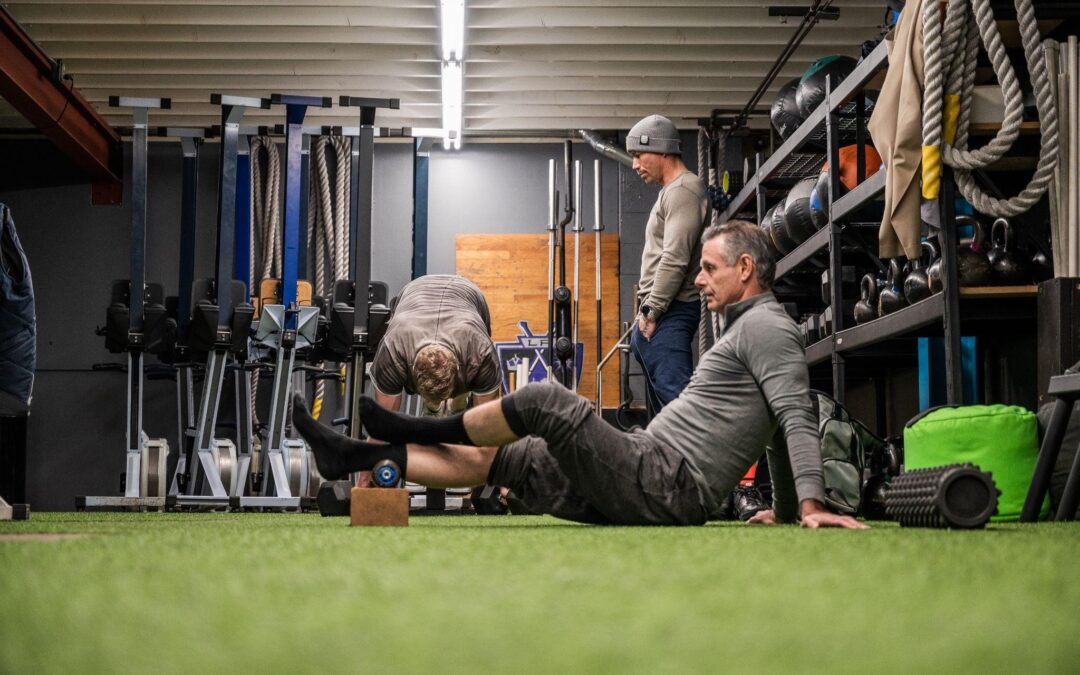
A transitional athlete is not someone who has given up. They are still paying their dues and showing up, but not in the same way as before. It’s easy to miss this phase because their behavior changes slowly.
Many transitional athletes have similar traits. They go to fewer classes. They scale movements more often. They deal with stress from work, family, aging, or old injuries. Sometimes they are returning after time away. Other times, they’re pushing through pain without a clear plan.
Nothing seems urgent from the outside. But this is a high-risk time for the business. Expectations stay the same, but their body and minds slowly change. Without a plan, the gap between what an athlete thinks they should do and what their body can handle grows every week.
Why Transitional Athletes Carry Higher Injury Risk
The risk of injury increases when things aren’t consistent. Transitional athletes often skip warm-ups or show up late. Their fitness level declines, but the class remains just as challenging. Things that used to feel automatic now take more work and focus.
During this period, persistent injuries are common. A lot of athletes come back before they are fully healed, especially if there isn’t a formal return-to-training process. Instead of a written plan, they use self-scaling or quick coach cues.
There is also a mental aspect. Athletes feel compelled to keep up with the group. They might hide their pain, rush through progressions, or ignore their tiredness. These factors work together in small ways to increase the risk of strains, falls, and overuse injuries. From an insurance perspective, these are not random events. They follow patterns.
How Overlooked Transitions Lead to Insurance Claims
Many insurance claims related to CrossFit gyms begin during the transition period, even if the injury occurs later. Some common situations are:
- Re-injury after returning too soon
- Injuries during modified or scaled movements
- Disputes over readiness, coaching guidance, or waivers
When athletes don’t know what is expected of them, they don’t feel responsible. They might believe they are permitted to move in a certain way, even though the paperwork states otherwise. Insurance companies closely monitor these situations because they often don’t involve clear accidents.
Patterns are important. Underwriters pay attention when claims show that returning or inconsistent members are repeatedly injured. This changes how risk is assessed and how coverage is viewed over time.
Also Read: The Unexpected Workout: Lifting the Weight of Unseen Liability
Member Churn and Liability Often Start in the Same Place
The transitional phase is also when members often leave. At this point, athletes are more likely to:
- Cancel suddenly without discussion
- Raise complaints about coaching or safety
- Dispute billing, freezes, or cancellation terms
When communication stops, frustration takes its place. If an athlete feels ignored or unsafe, they are more likely to quit. If there is an injury, emotions run higher. A cancellation can turn into a complaint or a legal question.
Clear communication during changes keeps both the member and the business safe. When that communication isn’t present, the risk of liability and turnover increases.
The Business Cost of Ignoring This Phase
Ignoring transitional athletes leads to costs beyond injuries. The number of claims increases, prompting insurers to look more closely. When events seem planned rather than reactive, operational consistency is called into question.
The staff might also feel the pressure. Instead of following systems, coaches spend more time putting out fires. When problems seem out of the blue, burnout gets worse. Retention rates become unstable, which makes it harder to predict revenue.
These signals are essential from an insurance perspective. Insurance companies look for signs of stability. Even if a gym has great coaches, it may be seen as higher risk if it can’t demonstrate consistent processes for moving athletes from one level to the next.
This is also a good time for many CrossFit gyms to reassess how they manage risk. Owners can go from reacting to planning by treating the transitional athlete as a known group. Over time, this consistency leads to cleaner records, clearer expectations, and fewer surprises. It also builds trust with members who see that safety and longevity are just as important as intensity.
What Smart Gym Owners Do Differently
Well-run gyms view membership changes as a normal part of the process, not a failure. They identify athletes starting this phase early by observing changes in attendance, increased scaling, or a history of injuries. These signals prompt conversation, not judgment.
Class flow has clear paths for making changes. Everyone on staff is aware of the return-to-training protocols. Expectations are the same, so athletes know what help looks like.
When coaches agree on safety rules, decisions are made intentionally rather than on the fly. This makes things less confusing for members and strengthens the record if questions arise later.
Why Insurers Care About Lifecycle Management
Insurance companies consider more than just the building’s size and equipment. They look at how the gym treats its members. Risk profiles are based on factors such as how members behave, when they are injured, and how stable their retention is.
This is where CrossFit insurance, such as CrossFit RRG, differs from standard fitness insurance. CrossFit gyms offer a wide range of movements, skill levels, and difficulty levels. Insurance companies that understand how gyms operate closely monitor how they manage transitions between phases.
Lifecycle management is a sign of operational maturity. It signals to insurance companies that risk is expected, not ignored. That difference can affect conversations about coverage long before a claim is made.
Also Read: The Down and Dirty Differences in Commercial Liability Policies That Can Leave You Exposed
How CrossFit RRG Approaches Risk Differently
CrossFit RRG was built specifically for CrossFit affiliates. The focus is not just on policies but also on how gyms operate day-to-day.
Understanding the realities of an athlete’s life cycle helps you manage risk before it becomes a claim. They highlight education, clarity, and consistency because they help keep members safe and businesses stable.
This way of thinking makes insurance seem like a long-term partnership. The goal is not to respond to problems, but to stop them from happening in the first place.
Practical Steps Gym Owners Can Take This Quarter
You don’t need to overhaul your system to improve transition management. Start with small, easy-to-follow steps:
- Identify athletes with changing attendance or increased scaling
- Standardize modification and return-to-training policies
- Improve documentation and member communication
- Align staff on shared risk awareness
- Review coverage with lifecycle risks in mind
These steps strengthen both operations and insurance. They also show members that the gym cares about long-term participation, not just short-term performance and consistency.
Conclusion: Sustainable Gyms Plan for More Than PRs
Strong gyms plan for every phase of the athlete lifecycle. Peak performance matters, but it is not where most risk lives for owners. Transitional athletes deserve structure, clarity, and support.
When transitions are handled well, there are fewer injuries, minimal cancellations, and insurance talks are easier. Coverage often works best when paired with awareness and preparation.
To run a successful CrossFit gym, you need to understand where risk actually exists, not just in training, but in who is transitioning. Athletes changing routines, returning from injury, or adjusting to life outside the gym are where injuries, disputes, and insurance issues most often begin.
CrossFit RRG works only with affiliates that want insurance that fits how gyms actually operate. If you’re thinking beyond today’s WOD and want to ensure you’re covered long term, it’s time to contact CrossFit RRG and review your policies with a partner who understands the athlete lifecycle and how it affects your coverage.