
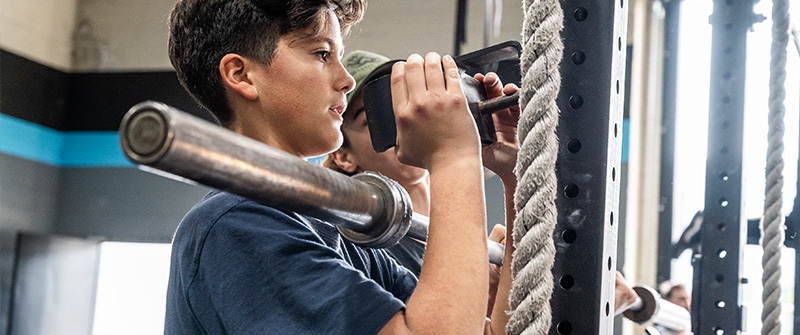
Gyms are finding new opportunities to grow by offering CrossFit classes designed specifically for teens and masters. A youth CrossFit class introduces teens to functional CrossFit training that builds confidence and skill, whereas a senior CrossFit class offers adults over 40 an approach that keeps them moving safely and effectively. CrossFit teens and CrossFit masters bring more diversity to the gym, strengthen community engagement, and improve retention, which makes them smart additions to CrossFit programs of any size.
Understanding the Target Demographic
CrossFit Teens
A youth CrossFit class gives athletes ages 12-18 the chance to build strength and improve their fitness. At this stage, CrossFit training should focus on safe technique, body awareness, and injury prevention, with programming that builds both physical growth and confidence. CrossFit for kids and teens also creates a sense of community and accountability. When planning how to start a CrossFit teens program, best practices for CrossFit youth classes include gradual progression and consistent guidance.
CrossFit Masters
A senior CrossFit class is designed for adults over 55 who want to maintain their strength, mobility, resilience, and independence. CrossFit masters often value community and social engagement as much as physical progress, so this makes inclusive programming especially important. Considerations include joint health, recovery needs, and scaling workouts for pre-existing conditions. Launching a CrossFit class for seniors requires balancing intensity with longevity while creating programming that adapts to a wide range of abilities.
Also Read: Investing in Your Coaches: Why Development and Coverage Go Hand in Hand
Safety & Certification Requirements
Launching a youth CrossFit class or senior CrossFit class all starts with hiring well-prepared coaches who understand the needs of different age groups. A CrossFit kids certification, for example, equips trainers to guide CrossFit teens safely, while Masters-specific seminars provide coaches with the tools they need to support older athletes. Alongside these specialty credentials, First Aid and CPR training are expected for anyone leading CrossFit programs. Updating liability coverage is also important when expanding CrossFit training to new populations. Finally, consent and clearance forms provide an added layer of protection for both teens and masters entering CrossFit programs.
Program Design
Class Structure
A youth CrossFit class or senior CrossFit class usually runs 45 to 60 minutes, scheduled two or three times per week. Sessions work best when they follow a steady rhythm: warm-up, skill practice, the workout of the day, and a cool-down. The consistent structure helps CrossFit teens and CrossFit masters stay engaged, while still giving CrossFit programs a balance of routine and variety.
Scaling & Modifications
Programming for CrossFit teens and masters works best when it’s scaled to ability. CrossFit teens should focus on proper movement before adding weight, and CrossFit Masters benefit from mobility prep and exercises that reduce their risk of injury. Approaching CrossFit training this way creates a safe foundation for growing a youth CrossFit class or launching a CrossFit class for seniors.
Progress Tracking
Progress looks different across ages, so tracking should feel age-appropriate. CrossFit teens often respond well to skill milestones, whereas CrossFit Masters may value improvements in strength, endurance, or mobility. Fun challenges and friendly competitions keep the motivation high and show progress in meaningful ways. Age-specific benchmarks also guide programming for CrossFit teens and masters, which keeps CrossFit classes effective and engaging.
Scheduling & Logistics
Scheduling CrossFit teens and CrossFit masters requires balancing their different routines. A youth CrossFit class often works best after school or on weekends, as this gives students a consistent time to train without interfering with their other activities. Masters usually prefer morning or mid-day sessions that fit well with flexible jobs or retirement. Staggering these programs outside of peak hours also keeps equipment and space available for general CrossFit classes. Balancing the schedule allows gyms to offer programming for CrossFit teens and masters while keeping the rest of the community on track.
Also Read: Maximize Your WOD Space: Smart Layout Hacks for CrossFit Gyms
Marketing Your New Class
Messaging
CrossFit teens messaging should center on what excites students most, like stronger sports performance, building confidence, and enjoying workouts with friends. When programs emphasize safe CrossFit training and best practices for CrossFit youth, they appeal to parents, as well. For CrossFit Masters, the focus shifts toward maintaining health, preserving independence, and creating a sense of community through a senior CrossFit class.
Channels
Social media is a powerful tool for showcasing real stories, with testimonials that resonate with each age group. Partnerships with schools, sports teams, or senior centers expand reach, while email campaigns are great for inviting members to bring in family and friends. Taken together, these approaches help grow CrossFit teens programs and create momentum when launching a CrossFit class for seniors.
Onboarding Process
Welcoming new athletes into CrossFit teens or CrossFit masters should feel straightforward and inviting. Many gyms begin with a free intro session or trial week so participants can experience CrossFit training in a low-pressure setting. After that, a movement assessment combined with a goal-setting conversation helps tailor programming for CrossFit teens and masters. The process feels complete when athletes receive a welcome packet that explains expectations, common questions, and what to look forward to in class.
Building Community
Community plays an important role in keeping CrossFit Teens and CrossFit Masters engaged. Hosting events like teen throwdowns or masters socials gives athletes a chance to connect outside regular CrossFit classes. Celebrating progress through social media highlights or in-class shout-outs helps maintain motivation and pride. Mentorship strengthens CrossFit programs, too, with experienced masters offering guidance to newer athletes and younger members building teamwork through shared experiences in a youth CrossFit class.
Measuring Success
Success in CrossFit teens and CrossFit masters programs is seen through steady attendance, strong retention, and positive member feedback. Tracking performance data and watching for injury trends helps guide programming for CrossFit teens and masters as the classes evolve. Referrals add another measure of progress, since youth and senior CrossFit classes often introduce new families into the wider gym community.
Also Read: 8 Top Strategies to Maximize Your CrossFit Training Recovery
Long-Term Retention Strategies
Keeping athletes engaged in CrossFit teens and CrossFit masters means offering programs that still feel fresh over time. Workshops on nutrition, mobility, or mental performance, for example, add variety and complement regular CrossFit training. Open communication also helps sustain interest; parents value updates on progress in a youth CrossFit class, while healthcare providers can share input that benefits a senior CrossFit class.
Conclusion
CrossFit teens and CrossFit masters bring valuable variety to a gym, as they help increase retention and build a stronger sense of community. The best way to get started is to pilot a youth CrossFit class or senior CrossFit class for 8-12 weeks, then gather feedback and refine programming for CrossFit teens and masters.
CrossFit RRG is here to support every stage of your CrossFit training journey. Visit our blog for more insights!