
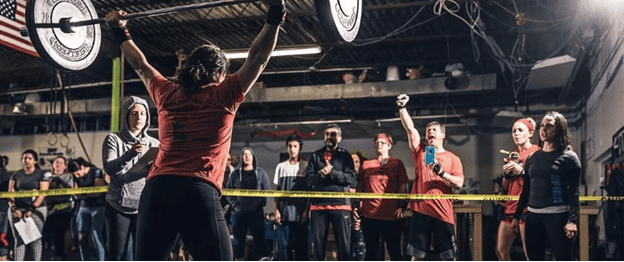
Running a CrossFit gym comes with risks that do not always fit neatly into a standard gym insurance policy. Members are lifting heavy weights, moving through high-intensity workouts, using rigs and boxes, and training under the direction of coaches. Add employees, visitors, equipment, and a commercial lease, and there are several ways an accident can turn into an expensive claim.
General liability (GL) insurance is one of the main protections CrossFit affiliates carry for these risks. It can respond to covered claims involving member injuries, accidents on the premises, third-party property damage, and associated legal costs. Professional liability (PL) addresses certain claims involving coaching, instruction, and other professional services. At CrossFit RRG, these coverages are provided together through our combined general liability and professional liability policy.
Having that protection does not mean every incident at your box is covered. An employee injury, a lawsuit involving coaching instruction, and a member slipping in the lobby can involve different types of coverage and policy provisions. Understanding those differences makes it easier to recognize potential gaps before you need to file a claim.
What Does General Liability Insurance Do for a CrossFit Gym?
General liability is commercial insurance that can respond when a third party claims your business caused bodily injury or property damage.
Inside a CrossFit gym, there are plenty of situations where that matters. A member could trip over equipment between sets. Someone visiting the facility could slip near the entrance. Equipment could damage property that belongs to someone else.
Whether insurance responds depends on what happened and what your policy says. General liability is not blanket protection against every accident or lawsuit, but it provides an important layer of financial protection against covered claims.
When a Claim Turns Into a Lawsuit
The cost of an accident does not necessarily end with a medical bill or damaged property. A member, visitor, or another third party may allege that the gym was responsible and pursue a claim.
Depending on the policy, general liability coverage may help pay certain attorney fees, court costs, settlements, or judgments associated with a covered claim. Defense provisions vary, so owners should understand how their policy handles legal costs rather than assuming every expense will be treated the same way.
Without applicable coverage, the gym may be responsible for those expenses.
Also Read: What Does CrossFit Gym Insurance Actually Cover? A Complete Breakdown
CrossFit Affiliate and Landlord Insurance Requirements
Sometimes you need proof of insurance before a claim ever enters the picture.
CrossFit affiliates should review the insurance requirements established by CrossFit HQ, along with any additional obligations in their lease or other agreements. CrossFit RRG’s combined general liability and professional liability policy offers $1 million per occurrence and $3 million in aggregate coverage. These limits describe CrossFit RRG’s insurance offering and should not be confused with requirements established by CrossFit HQ.
This is where the Certificate of Insurance, or COI, comes in. A COI provides evidence of insurance coverage and applicable limits. CrossFit HQ, a landlord, or another organization may request one to verify that an affiliate maintains the required insurance.
Keeping these documents current can prevent a last-minute scramble when someone asks for proof of coverage.
What Can General Liability Cover at a CrossFit Gym?
No two claims are identical, and policy language ultimately determines whether coverage applies. Still, several common gym situations illustrate where general liability may come into play.
Member Injuries During a Workout
A CrossFit training floor is active by design. Barbells are moving, athletes transition between equipment, and classes may use boxes, rings, rigs, kettlebells, rowers, and other equipment within a relatively short period.
A member might trip on a plyometric box, fall during a movement, or be injured in an incident involving a barbell. A bodily injury claim arising from an accident like this may fall within general liability coverage, depending on the circumstances and policy.
However, an injury involving alleged improper coaching or instruction may also raise professional liability considerations. CrossFit RRG’s combined GL/PL policy is designed to address covered exposures involving both gym operations and professional coaching, subject to policy terms, conditions, and exclusions.
The fact that an injury happened inside the gym does not automatically determine how a claim will be evaluated.
Slips, Falls, and Other Premises Accidents
The workout floor is not the only place where a gym can face liability.
Think about a wet bathroom floor, ice near the entrance, or an obstruction in a walkway. None of these incidents necessarily involves a workout, yet each could lead to an injury claim.
General liability may respond to covered premises-related claims. Routine maintenance and prompt attention to hazards can also reduce the chance that an ordinary facility problem becomes a larger issue.
Damage to Someone Else’s Property
A gym does not necessarily own everything around it. The building may be leased, neighboring businesses may share walls, and members bring personal belongings into the facility.
If gym operations cause damage to third-party property, general liability may respond when the business is legally responsible, and the claim falls within the policy. What is covered depends on the property involved, how the damage happened, and any relevant exclusions.
Where General Liability Coverage Stops
One of the easiest insurance mistakes is assuming that General Liability covers anything that happens inside the business. It does not.
CrossFit affiliates can have exposures involving employees, equipment, and business property that require different forms of protection. While CrossFit RRG combines general liability and professional liability into one policy, that policy does not automatically cover every risk associated with operating a gym.
A Coach Gets Hurt at Work
Suppose a coach strains their back while moving equipment before class or slips while setting up the facility. That is different from a member filing a bodily injury claim against the gym.
General Liability generally does not replace Workers’ Compensation for employee injuries. Workers’ compensation may provide benefits such as medical care and a portion of lost wages for qualifying workplace injuries.
Requirements depend on the state and the business’s circumstances, so owners should confirm what applies to their affiliate. For more information about employee injury protection, read NEXO Insurance Services’ Workers’ Compensation: The Basics.
A Member Blames the Coaching
Now consider a different situation. A member alleges that a coach gave improper movement instruction or programming and that the advice contributed to an injury.
That claim raises professional liability considerations rather than involving only a straightforward premises accident.
Professional Liability coverage may respond to covered allegations involving coaching, instruction, programming, or professional advice. The circumstances and policy wording determine how a particular claim is handled.
CrossFit RRG includes professional liability and general liability together in one combined policy. Affiliates do not need to assume that professional liability is a separate, optional policy within the CrossFit RRG program.
For a business built around coached training, understanding the distinction between these two types of protection remains important, even when they are provided through the same policy.
Also Read: How Much Is Liability Insurance for Personal Trainers? A Real Cost Breakdown
General Liability Is One Part of the Insurance Picture
A CrossFit affiliate faces several categories of risk, and understanding how its insurance responds to each one matters.
CrossFit RRG’s combined general liability and professional liability policy addresses covered third-party bodily injury and property damage claims, premises-related accidents, and qualifying allegations involving professional coaching services.
Other exposures may require separate coverage. Workers’ compensation addresses qualifying employee injuries and applicable workplace benefits. Commercial property insurance may protect insured equipment, business contents, and other property against covered physical losses.
Commercial property insurance is separate and optional. It is not automatically included in CrossFit RRG’s combined GL/PL policy.
Where the coverage boundaries fall depends on the applicable policy terms, conditions, and exclusions.
This becomes especially important as a gym grows. Adding employees, youth programming, open gym hours, more equipment, or a larger facility can change the risk profile. Coverage that made sense when the affiliate opened may not reflect how the business operates several years later.
Good Risk Management Starts Before the Claim
Insurance is there for covered losses. It should not be the first line of defense against preventable problems.
CrossFit owners already know how quickly equipment gets used. Rigs, J-hooks, cables, barbells, plates, boxes, and flooring take repeated wear, often every day. Small maintenance issues are easier to address before they become safety problems.
Make Equipment Checks Part of the Routine
Equipment inspections do not need to become an elaborate process to be useful. They do need to happen consistently.
Look for loose hardware, damaged equipment, unstable surfaces, worn components, or anything else that does not look right. If an item is unsafe, take it out of service until it has been repaired or replaced.
The same attention should extend beyond workout equipment. Entrances, bathrooms, walkways, and flooring can create liability exposures, too.
Keeping records of inspections and repairs also gives the business a clearer history of what was checked and what action was taken.
Be Consistent When Hiring and Screening Staff
Coaches work directly with members, and some may also supervise youth programs. Staff screening should therefore follow a consistent process rather than changing depending on who is being hired.
Where appropriate and legally permitted, that process may include identity verification, employment history, references, qualifications, and criminal background checks.
Organized records matter here as well. If questions arise later, the gym should be able to show what its screening process involved.
Know What to Do After an Incident
Even a well-run gym can have an accident.
When something happens, document the basic facts while they are still fresh: when and where the incident occurred, who was involved, what was observed, and what immediate action was taken.
Owners should also know how and when their insurer expects a potential claim to be reported. Waiting until a situation escalates can create unnecessary complications.
How to Get General Liability Insurance Through CrossFit RRG
The best place to start is with the way your affiliate actually operates, not with a generic checklist.
Look at your typical class sizes, membership volume, staffing, square footage, equipment, open gym access, and the programs you offer. Those details help create a clearer picture of the risks your insurance needs to address.
From there, request a quote for CrossFit RRG’s combined general liability and professional liability policy. Review the available coverage, limits, exclusions, and pricing. Once coverage is active, obtain any Certificates of Insurance required by CrossFit HQ, your landlord, or other parties.
Then consider the exposures that fall outside the combined policy. If you have employees or own valuable equipment, separate workers’ compensation or commercial property coverage may be relevant. NEXO Insurance Services can help you explore insurance options for these additional needs.
The goal is not to collect as many policies as possible. It is to understand where your actual exposures sit and make sure important risks are not falling between policies.
Why CrossFit RRG and NEXO?
A CrossFit affiliate does not operate exactly like every other fitness business.
Coached workouts, Olympic lifting, high-intensity functional movements, open gym sessions, and youth programming can create exposures that look different from those at a conventional health club.
CrossFit RRG is a member-owned risk retention group designed for CrossFit affiliates. Our combined general liability and professional liability policy reflects the risks associated with operating a CrossFit gym and providing professional coaching services.
For a broader look at how liability protection works for fitness businesses, NEXO Insurance Services provides A Guide to Liability Insurance for Gym Owners.
Beyond CrossFit RRG’s combined GL/PL policy, NEXO can help affiliate owners explore additional insurance options for exposures involving employees and business property. Commercial property coverage is available separately and is optional.
For an owner, the practical question is simple: if something happens tomorrow, which coverage is supposed to respond? Understanding your insurance program as a whole makes that question easier to answer.
Also Read: CrossFit RRG Coach or Contractor? The Insurance Distinction That Could Save You Thousands
Frequently Asked Questions About General Liability Insurance for CrossFit Gyms
What Is General Liability Insurance for a CrossFit Gym?
General liability is commercial insurance that may respond to covered claims involving third-party bodily injury or property damage connected to the gym’s operations. Depending on the policy and circumstances, this can include member accidents, premises-related injuries, property damage, and certain legal defense costs. CrossFit RRG provides general liability and professional liability together through a combined policy.
How Much General Liability Insurance Does a CrossFit Affiliate Need?
The amount of general liability insurance your CrossFit affiliate needs depends on applicable insurance requirements, your lease, and other contractual obligations. CrossFit RRG offers a combined general liability and professional liability policy with $1 million per occurrence and $3 million in aggregate coverage. These are CrossFit RRG’s policy limits, not minimum coverage requirements established by CrossFit HQ.
Do CrossFit Gyms Need Both General Liability and Professional Liability?
General liability and professional liability address different types of claims. General liability may respond to covered bodily injury, property damage, and premises-related claims, while professional liability addresses qualifying allegations involving coaching, programming, instruction, or other professional services. CrossFit RRG combines both coverages into one policy rather than requiring affiliates to purchase professional liability separately.
Does General Liability Cover an Injured CrossFit Coach or Employee?
Generally, general liability is not a substitute for workers’ compensation. Workers’ compensation may provide benefits when an employee experiences a qualifying work-related injury or illness. Requirements vary by state, so affiliate owners should review their obligations based on their staffing arrangements and applicable laws.
What Is a Certificate of Insurance for a CrossFit Gym?
A Certificate of Insurance, or COI, provides evidence of insurance coverage and applicable limits. CrossFit HQ, landlords, event organizers, or other parties may request one when they need proof that required coverage is active.
How Quickly Can CrossFit RRG Issue a Certificate of Insurance?
Turnaround depends on whether the policy is active, what information is requested, and whether policy changes or additional documentation are needed. Contact CrossFit RRG for current COI requirements and issuance timelines.
Make Sure Your Coverage Fits Your Box
The right insurance program depends on what happens inside your facility every day. Your classes, coaches, employees, equipment, property, lease, and additional programs all affect the risks your business carries.
At CrossFit RRG, we offer combined general liability and professional liability coverage developed around CrossFit affiliate operations. Through NEXO Insurance Services, affiliates can also explore separate insurance options for needs such as workers’ compensation and optional commercial property protection.
Review your existing coverage, confirm the requirements that apply to your affiliate, and request a quote to find out how CrossFit RRG can help protect your business.
Disclaimer: This guide provides general commercial insurance information and does not constitute legal or insurance advice or guarantee coverage. Specific policy terms, underwriting guidelines, coverage, exclusions, and state regulatory requirements vary. Consult a licensed insurance professional for recommendations based on your facility and operations.